Time for Growth with Rufino Garay – From 3D Artist to AI-Focused Technical Artist
At Tactile, we encourage people to explore new ideas, develop new skills, and shape their own career paths. Sometimes that means growing deeper within your discipline, and sometimes it means discovering an entirely new one.
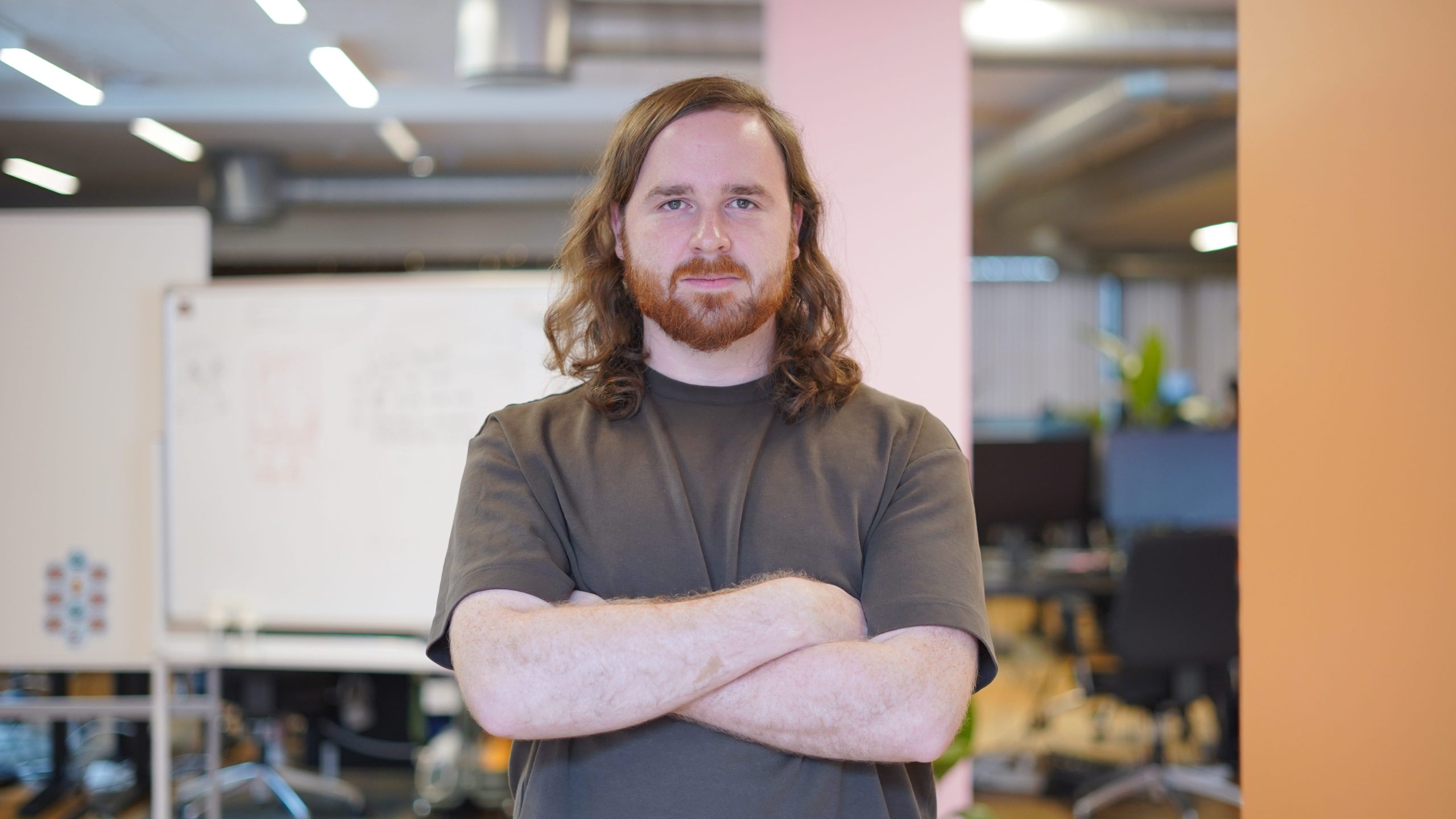
Rufo joined Tactile in 2021 as a Junior 3D Artist. Four years later, he’s helping shape the future of game art as a Technical Artist with a focus on AI, building tools, streamlining workflows, and empowering artists with new technologies.
We sat down with Rufo to talk about his journey, what sparked his interest in AI, and why he believes technology should help artists create even more, not less.
Tactile: Hi Rufo, Can you tell us a bit about what your role was when you first joined Tactile?
Rufo: I started out as a junior 3D artist here at Tactile back in 2021. The first project I ever worked on was Makeover Match, where I modelled and textured props for the different environments in the game. Not long after, I expanded into creating assets and shaders for various in-game cinematics and marketing videos.
Tactile: How has your journey at Tactile evolved since then?
Rufo: I’ve always been curious about technology, so I’ve made it a habit to stay on top of the cutting edge and the possibilities it brings to our medium. That curiosity, paired with a tendency to need to shift my focus to something else quite regularly (arguably to a fault!😂), has given me a pretty big opportunity to evolve.
Tactile is a goldmine of knowledge if you make an effort to learn from your coworkers. I’ve gained so much valuable experience from so many people at the office, and I hope people have learned at least a bit from me as well.
Tactile: What inspired you to transition from 3D Artist to Technical Artist with a focus on AI?
Rufo: While curiosity and ambition played a big role, I would say it mostly happened organically. 3D art comes with its fair share of technical challenges, and being exposed to these led me down the rabbit hole that landed me where I am today. For starters, 3D is a great medium to learn to think outside the box since so much of it boils down to problem-solving. That foundation gave me the confidence to dive into deeper technical territories—like exploring generative AI for art production and developing custom tools for pipeline automation.
Tactile: What does your role look like today?
Rufo: Codex and Claude have been real game-changers for my work, and I’ve already seen a few artists here at Tactile develop their own tools despite “vibe-coding” sounding intimidating at first. My job is also quite collaborative. Communication with others is essential, in fact. I rely on them for valuable feedback or even development assistance.
There’s an immeasurable amount of technical hurdles for artists and there’ll probably always be something to improve or solve.
Tactile: How do you collaborate with artists, engineers, and other teams to bring AI into your workflows?
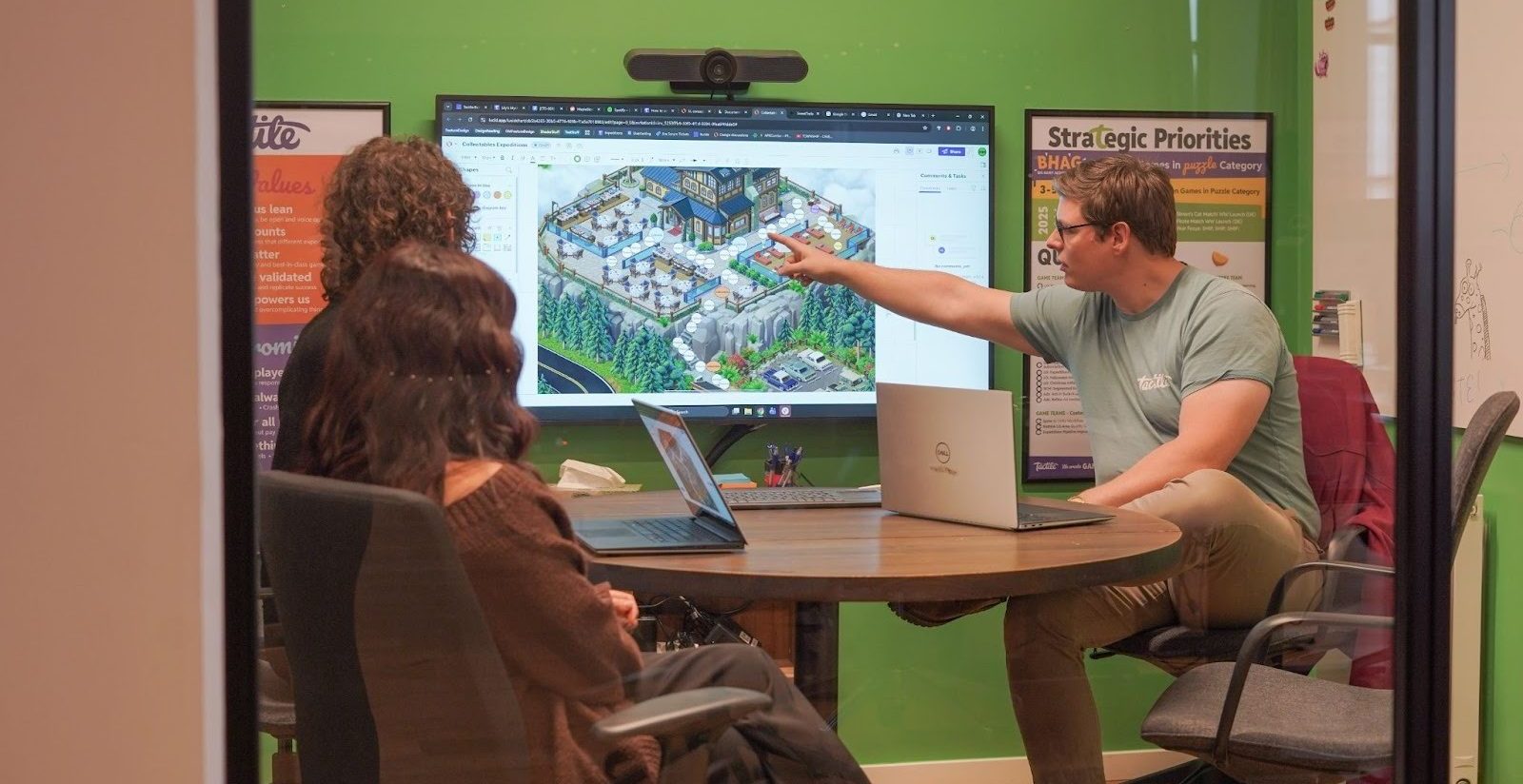
Rufo: It usually starts with isolating a specific problem or idea, followed by a cycle of prototyping and refinement until it’s ready to share. Once the team gets their hands on it, the feedback loop begins, allowing me to tailor the solution to their exact production challenges. At the end of the day, my job is to facilitate production and make artists’ lives easier—not to enforce new workflows just for the sake of using new technology.
Tactile: Looking ahead, what excites you the most about the future of AI in game development?
Rufo: Now that the initial “AI-hype” smoke has somewhat settled, and we’ve arrived at a point where AI has become controllable enough for artists to truly leverage them. That usually means cutting down hours of tedious tasks, turning days of processing into minutes, and iterating on concepts rapidly while fully retaining our artistic vision.
At the moment I’m very excited about the democratisation of software development and its possibilities. Just as someone who has had no previous experience in art creation will put out a worse product than a seasoned artist, even with AI in their toolset, the same applies to software development. The barrier to entry has dropped so significantly that anyone can now build things that were previously unimaginable.
AI is here to stay. That’s a matter of fact. So then, our focus should be to empower artists rather than to lessen their creative input. They are, after all, one of the most important backbones of a well-crafted video game.
Thank you for the interesting chat, Rufo 💜